
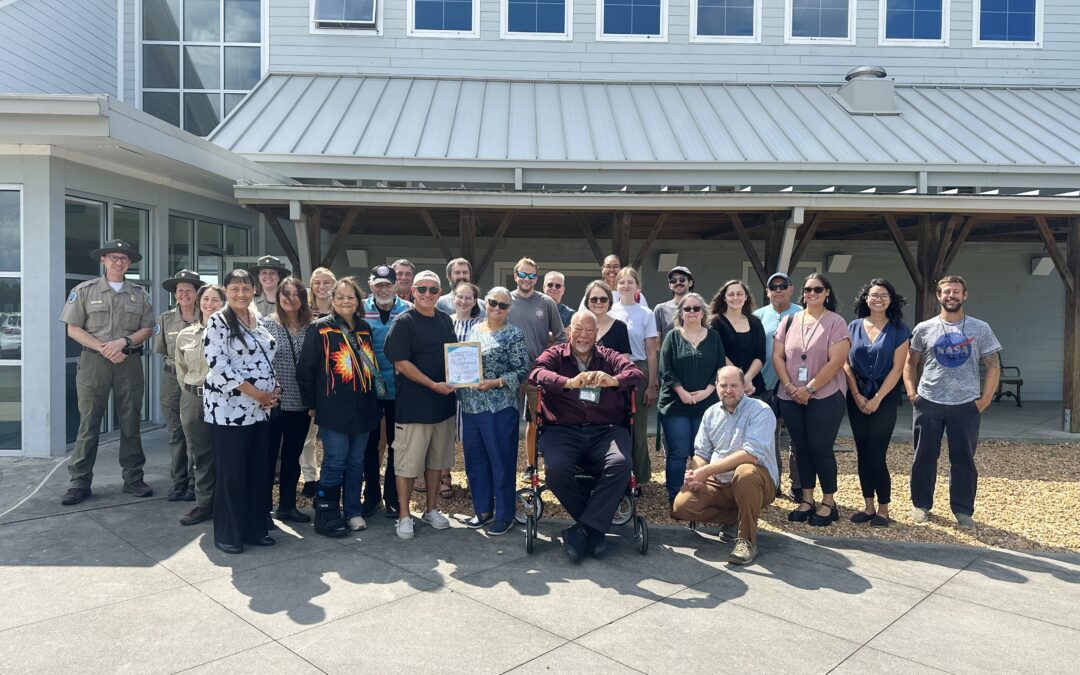
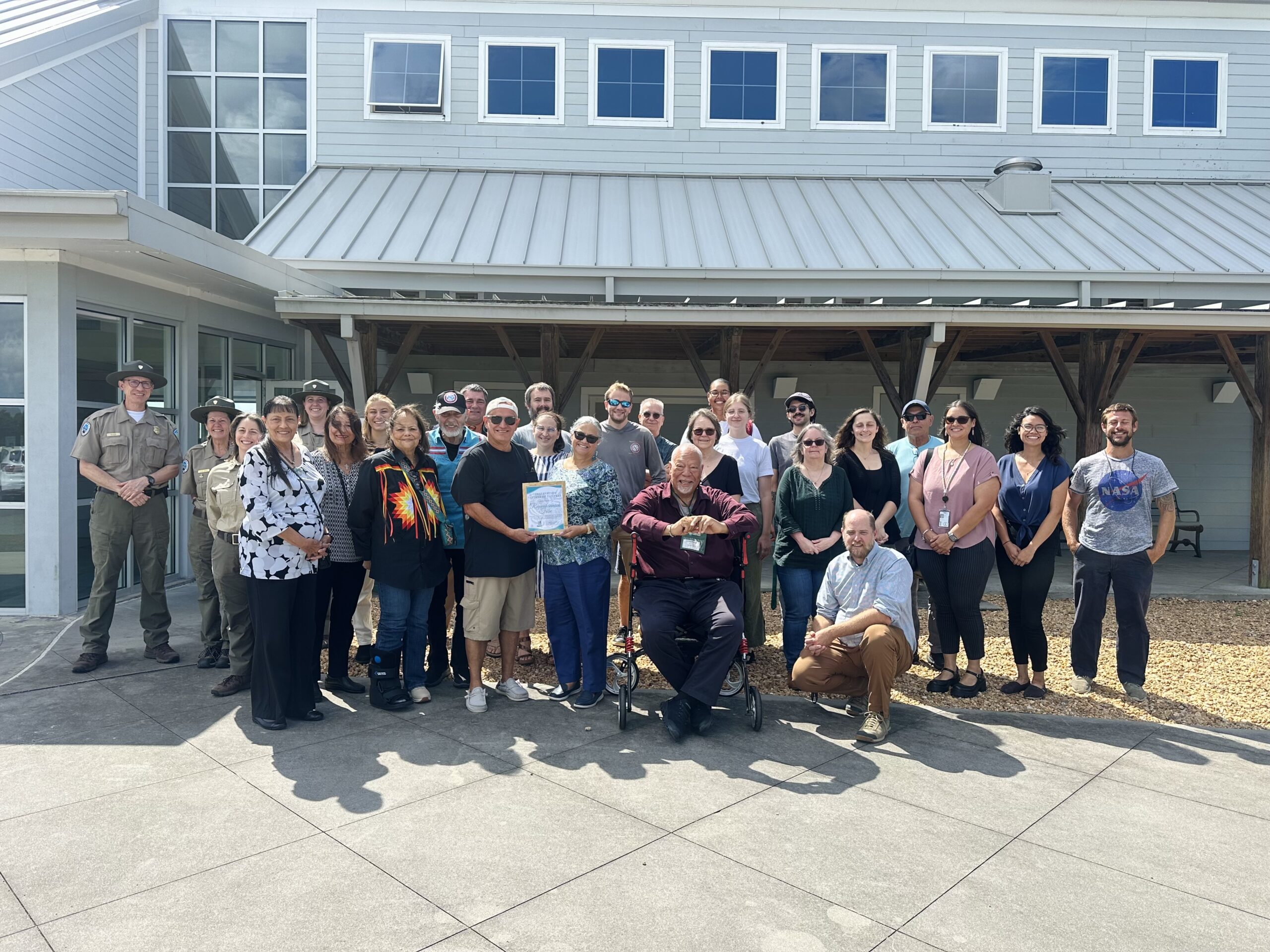
Early in September, the Rappahannock Indian Tribe gathered with longtime partners, friends, and supporters inside the Belle Isle State Park Visitor Center. Sunlight filtered through the tall windows, framing a moment years in the making: the Tribe’s return to oyster stewardship on their ancestral river.
The occasion is the celebration of a 72-acre oyster lease on the Rappahannock River, generously donated by Rogue Oysters, an aquaculture innovator. For the Tribe, the lease is more than acreage. It is a ceremony, a reconnection, and a reclamation, a tangible link to traditions carried by their ancestors and a platform for future restoration and food sovereignty efforts.
A Room Filled With Partners and Purpose
The Belle Isle Visitor Center became a gathering place for those who have worked alongside the Tribe to achieve this milestone. Leaders from the Rappahannock Tribe stood with representatives from Rogue Oysters, Friends of the Rappahannock (FOR), the Chesapeake Oyster Alliance, and the River Counties Community Foundation. The energy in the room was unmistakable: celebration, reflection, and shared commitment to the river that connects them all.
This moment was not the work of one organization, but the result of a growing network of Tribal leadership, environmental nonprofits, forward-thinking businesses, funders, and government partners. Together, they have been steadily building momentum for oyster restoration in the Rappahannock River.
Jennifer Sagan, Oyster Restoration Specialist at Friends of the Rappahannock, discussed the deep cultural significance of this milestone.“The Tribe members once again have the means and skills to grow oysters that will improve the health of the River, as well as to preserve this tradition and heritage.”
Her words echoed the sentiment carried throughout the day. This project is both an environmental restoration and a generational healing initiative.
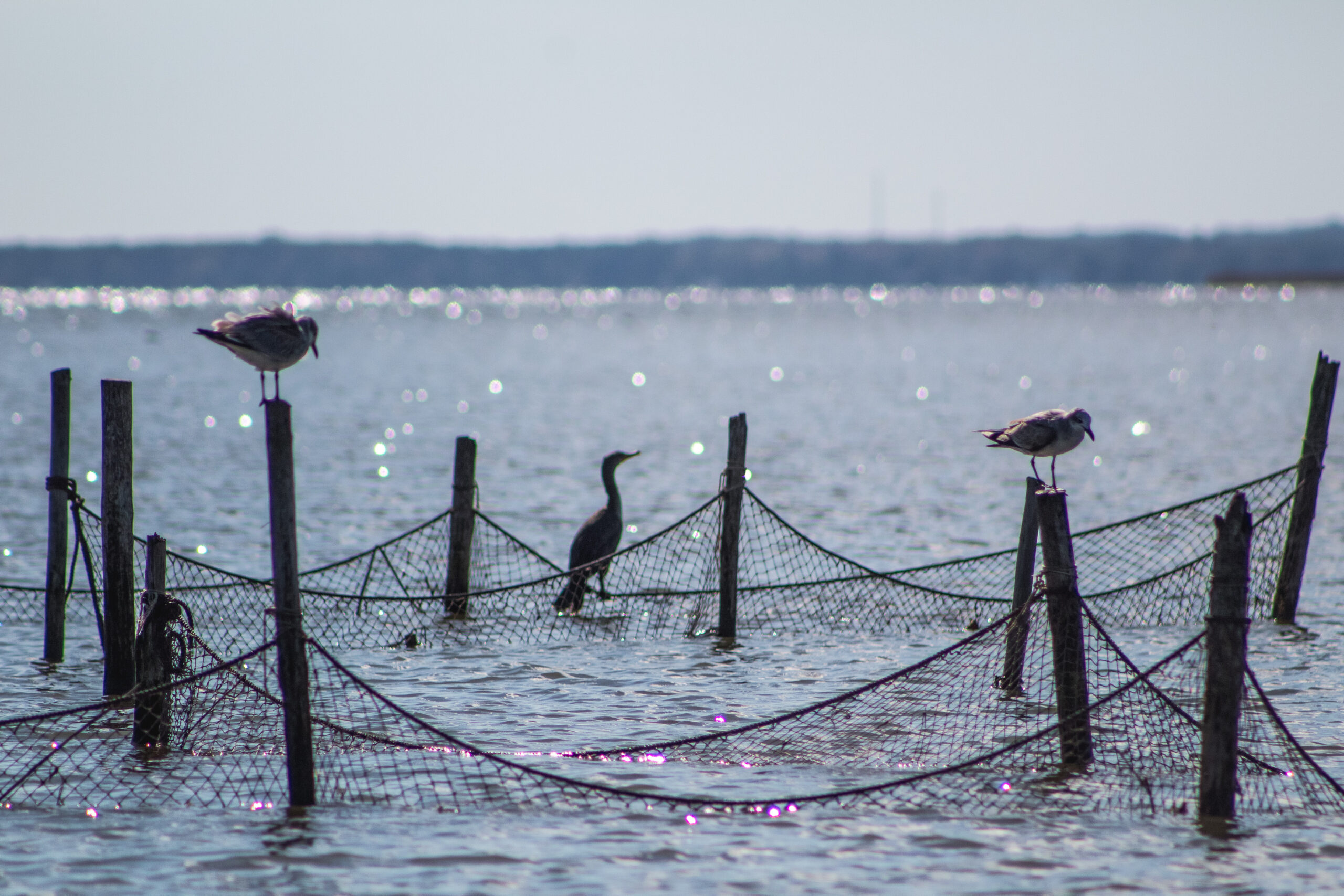
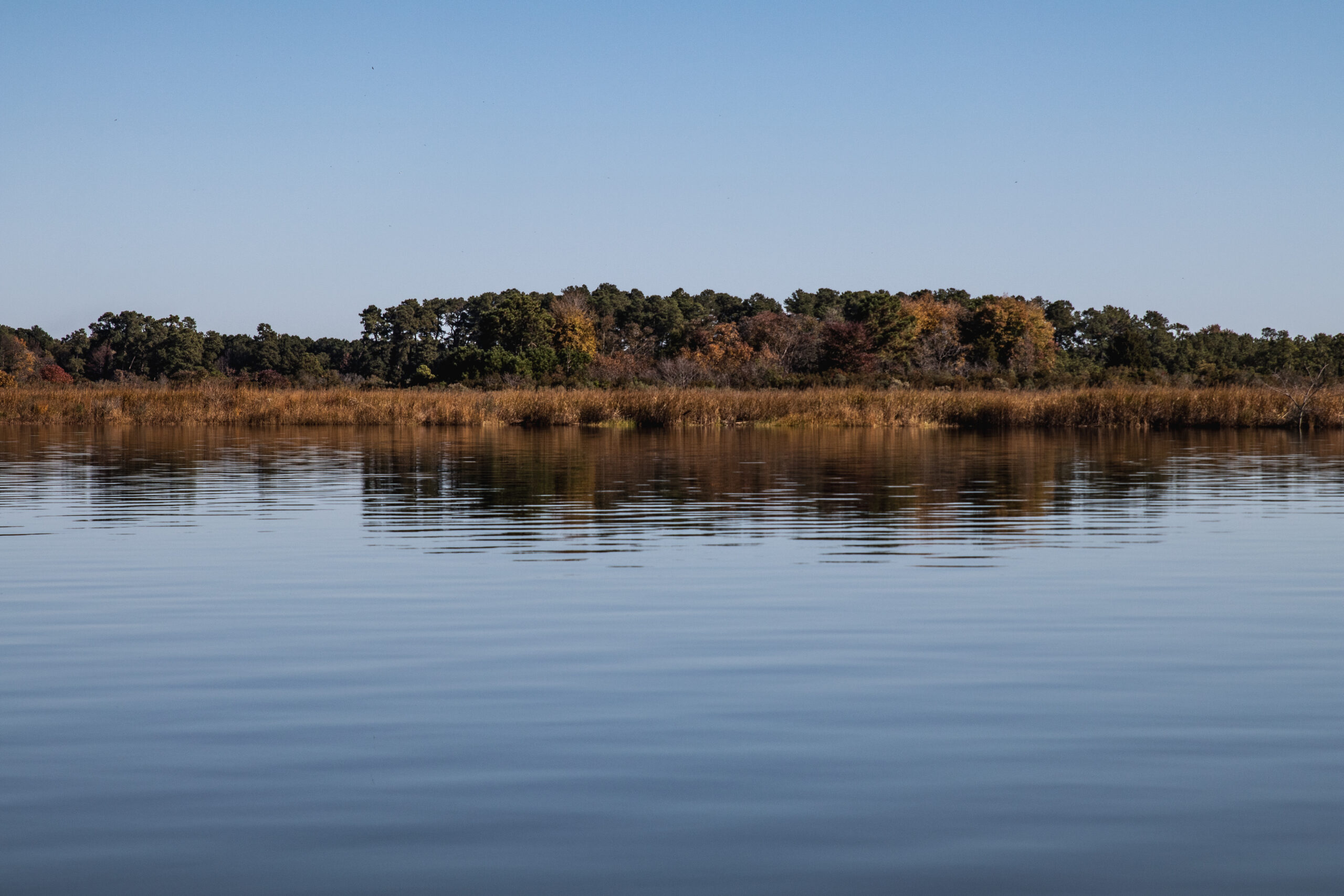
The donation of the 72-acre lease was made by Rogue Oysters, a Virginia-based company known for pairing sustainable aquaculture with community investment. For co-founder Taryn Brice Rowland, this contribution was about more than supporting restoration; it was about honoring the river’s original stewards.
“We are honored to support the Rappahannock Tribe as they reclaim their place on the river. We believe in making space for Indigenous communities to lead, and we’re proud to be part of this story.”
Their leadership created the foundation for a project that will serve both the river and the people who have depended on it for thousands of years.
Oysters have long held cultural, nutritional, and ecological significance for the Rappahannock people. With this new lease, the Tribe will be able to grow and manage oysters within their ancestral territory, an opportunity that supports restoration, education, and the expansion of food sovereignty programming.
Chief Anne Richardson captured the power of this moment:
“The Tribe is excited to be able to restore oysters to their people due to the rich nutrients they provide for our mental and physical health. Reclaiming traditional food systems is an important step toward rebuilding tribal sovereignty and indigenous health.”
For the Tribe, returning to oyster cultivation is a return to wisdom, wellness, and connection.
As the event concluded, conversations lingered. People stayed to talk, to reflect, and to imagine what comes next. The lease is a milestone, but it is also a beginning. A new chapter in the Rappahannock Tribe’s Return to the River initiative. A new opportunity to strengthen traditional practices. A new way to protect and restore the health of the river that has shaped generations.
This project stands as a reminder of what is possible when respect, partnership, and purpose align. The Rappahannock River flows on. And now, the Tribe flows with it, once again.
Interested in supporting our oyster programs? Learn more about our oyster efforts and how you can help HERE.