
Building up the Rappahannock's Stormwater Management
Stormwater runoff is one of the biggest threats to the Rappahannock River. When rain falls on hard surfaces like roads, parking lots, and rooftops, it cannot absorb into the ground. Instead, it rushes across these surfaces, picking up oil, fertilizer, trash, pet waste, and other pollutants before carrying them straight into the nearby streams and the river. Stormwater Best Management Practices (BMPs) change this. When a stormwater BMP is introduced, runoff slows down, is filtered properly, and does a better job of protecting the Rappahannock River and keeping it clean.
Through strong partnerships and practical on-the-ground solutions, FOR helped bring new stormwater best management practices (BMPs) to life in communities from Fredericksburg to Rapidan to Stafford County. These projects are reducing pollution, slowing runoff, and creating healthier, more resilient places for people and wildlife.
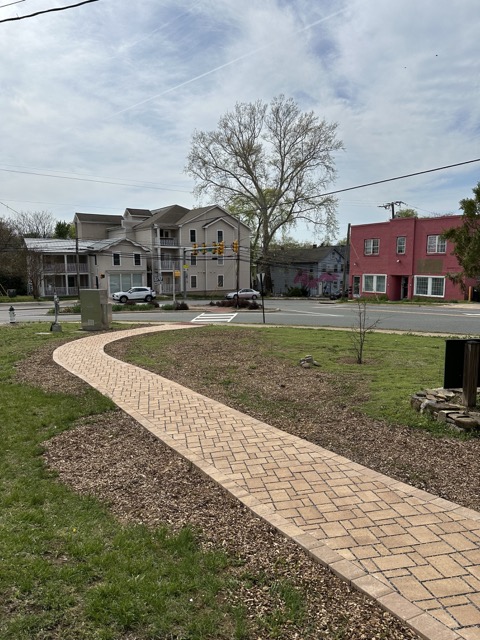
A New Permeable Pathway at Downtown Greens
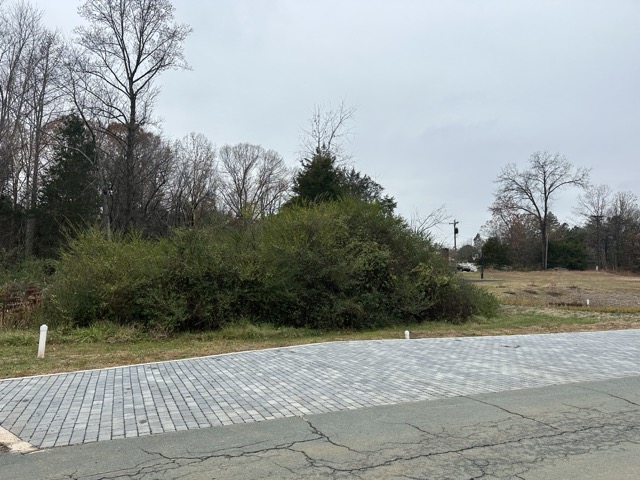
Downtown Greens in Fredericksburg wanted to transform a gravel walkway that was sending stormwater and pollutants straight into nearby drains. With support from VCAP, Tri-County/City Soil and Water Conservation District, and the George Washington Regional Commission, the garden installed 1,480 square feet of permeable pavers.
Now, instead of rushing off-site, stormwater can soak naturally into the ground. The bonus? The path is not only an effective BMP, but it’s also a beautiful, accessible walkway for every visitor.
Expanding Green Infrastructure at the Carver Center
The George Washington Carver Agricultural Research Center, home to one of FOR’s offices, now hosts three fully functioning stormwater BMPs, including two new additions this year. Thanks to VCAP, the Culpeper Soil and Water Conservation District, Culpeper County, and the Virginia Cooperative Extension, the site added a bioretention area and a permeable paver parking lot.
Together, these practices manage runoff from 38,180 square feet of drainage area, capturing and infiltrating thousands of gallons of stormwater that would otherwise flow toward nearby waterways.
Empowering the Community Through Stormwater Stewardship
In Stafford County, FOR has teamed up with local officials to boost stormwater education through hands-on action. One major effort: storm drain marking. With the help of committed volunteers, we’ve marked 110 storm drains so far; each one reminding residents that these inlets lead straight to the Rappahannock. It’s simple, visible, and effective education where it matters most.
A Creative Partnership for Cleaner Water
This year also brought an innovative new collaboration with the Stafford County Animal Shelter. Building on an idea from the county’s Stormwater Program Coordinator, every dog adoption now comes with a goody bag filled with pet-waste education materials, bag holders, waste bags, and hand sanitizer. It’s a small gesture with a big impact, helping new pet owners keep harmful bacteria and nutrients out of our streams and rivers from day one.
These projects show what’s possible when communities come together to care for the river. From gardens to research centers to neighborhood storm drains, every improvement adds up—reducing pollution, building resilience, and protecting the Rappahannock for years to come.



Interested in supporting Stormwater Management programs like this? Learn more and how you can help.