
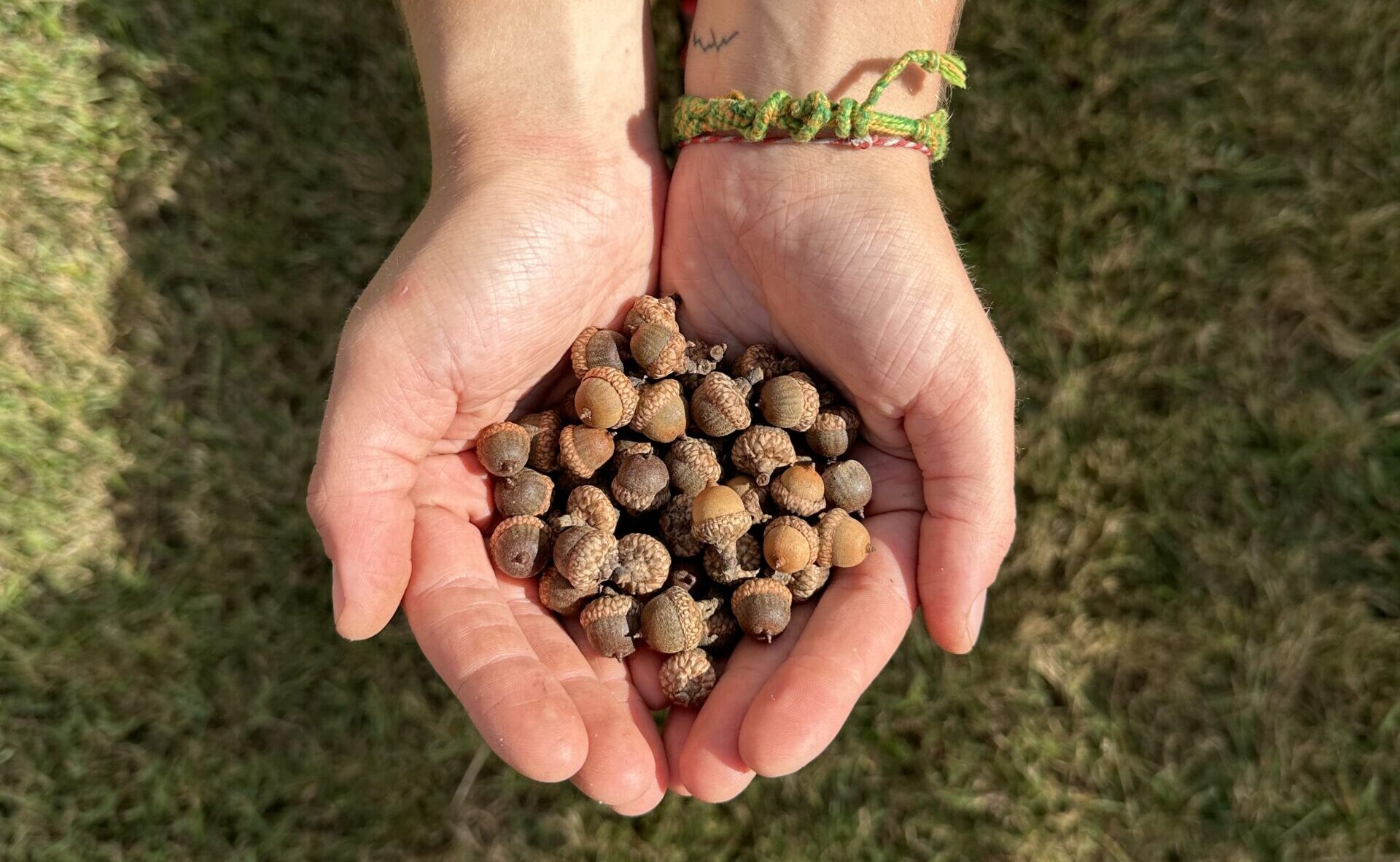
When we started the Rappahannock Conservation Nursery in 2020, our goal was to become self-sustaining by collecting native seeds for planting in our restoration projects. The flexibility and independence of collecting seeds anytime, almost anywhere were key motivators for us to partner with the Potomac Conservancy and the Department of Forestry on the Today’s Seeds, Tomorrow’s Trees program. And while we couldn’t hire squirrels to gather acorns across all 18 counties and municipalities, we did have something even better – an incredible community of volunteers!
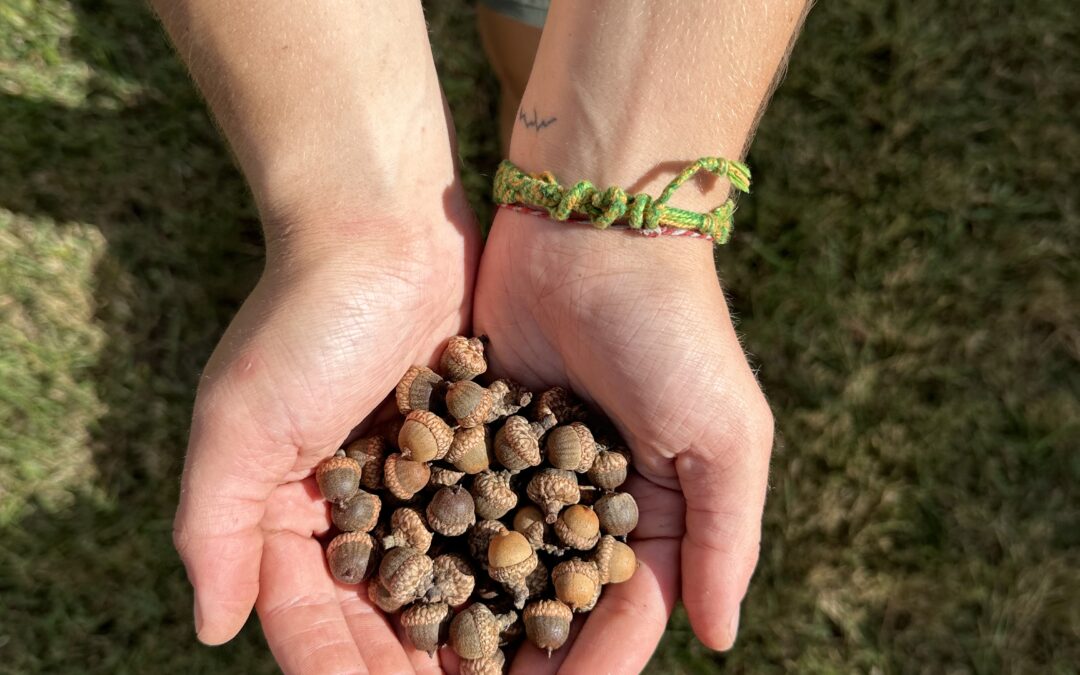
For the second year in a row, our people-powered seed collection program was met with such immense enthusiasm from the community that we had too many seeds! In just one week, we surpassed the total pounds of seeds collected in all of 2024. By the end, more than 737 pounds of seed, representing 25 tree species, had poured in. Chestnut Oak acorns led the pack at a remarkable 384 pounds, with White Oak close behind at 184 pounds, a heavyweight duo destined to shape future riparian forests.
“The accessibility of this volunteer program allows volunteers ranging from primary students to seniors to squeeze a little volunteering into their week,” Volunteer and Outreach Manager Lis Heras explained. We had over 132 volunteers participate in the program during the fall 2025 season. “They might not realize it, but they are ‘leaf-ing’ a legacy by participating in this program,” she quipped. Heras explained that she has high hopes for the program to expand and, in a few years, be a strong supporter of our Rappahannock Conservation Nursery.
Once collected, the seeds are delivered to various drop-off locations or to our nursery directly. The seed drop-offs themselves became a source of joy for staff, who never knew what containers would arrive next: a truck bed full of acorns, paint buckets, gift bags, envelopes covered in handwritten notes, grocery bags, cardboard boxes, even a tiny tissue-lined package sent by mail.
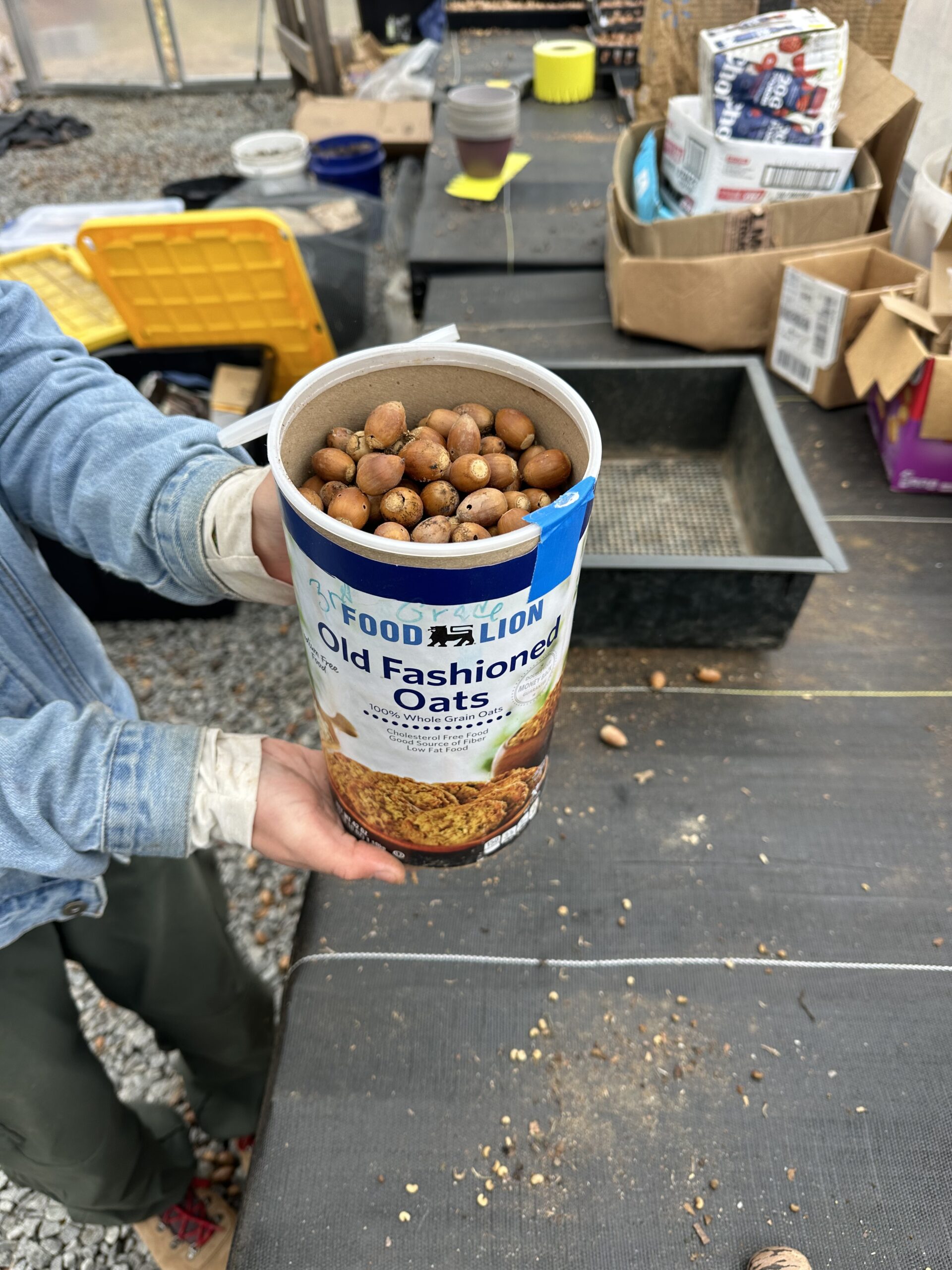
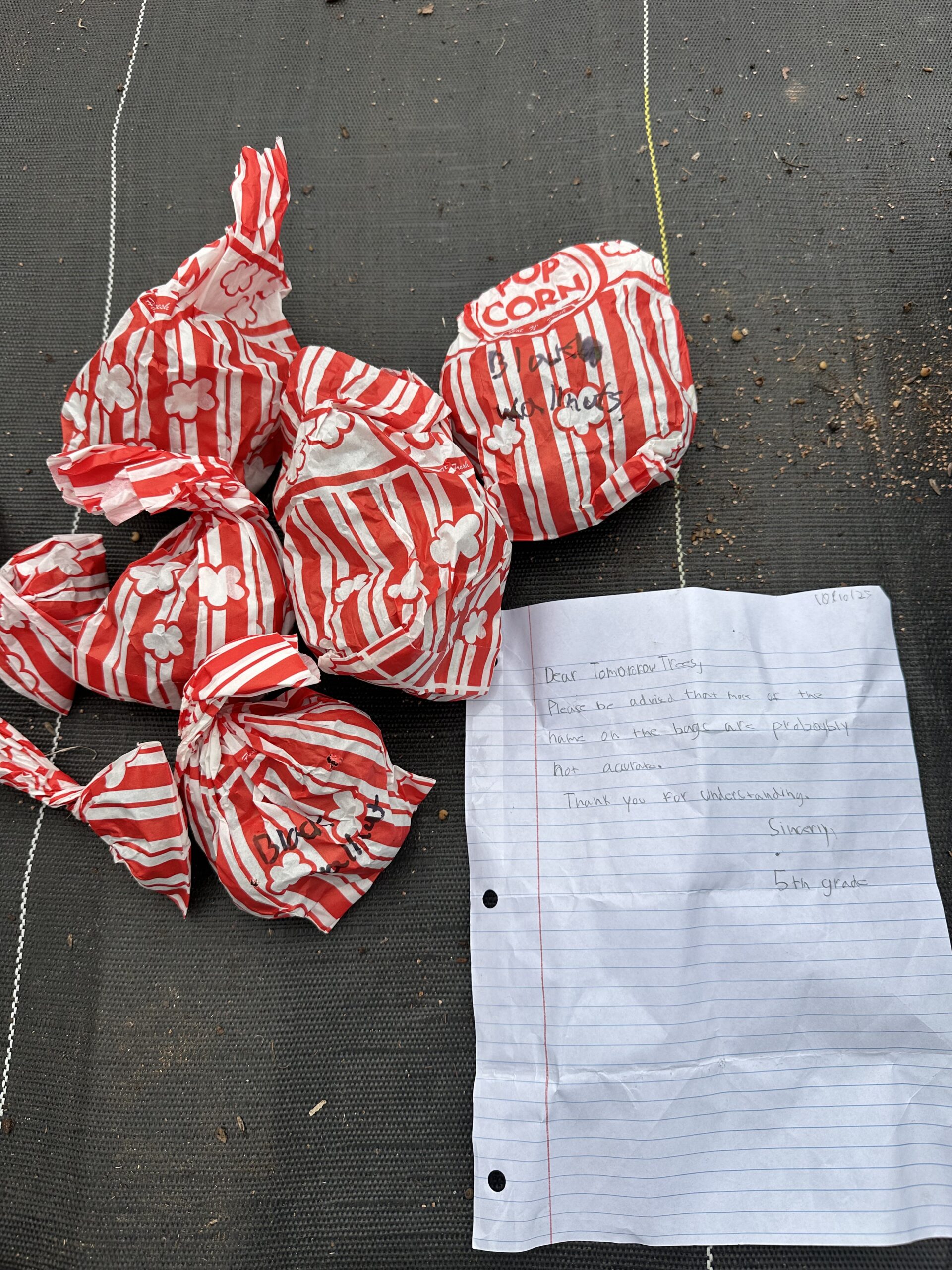
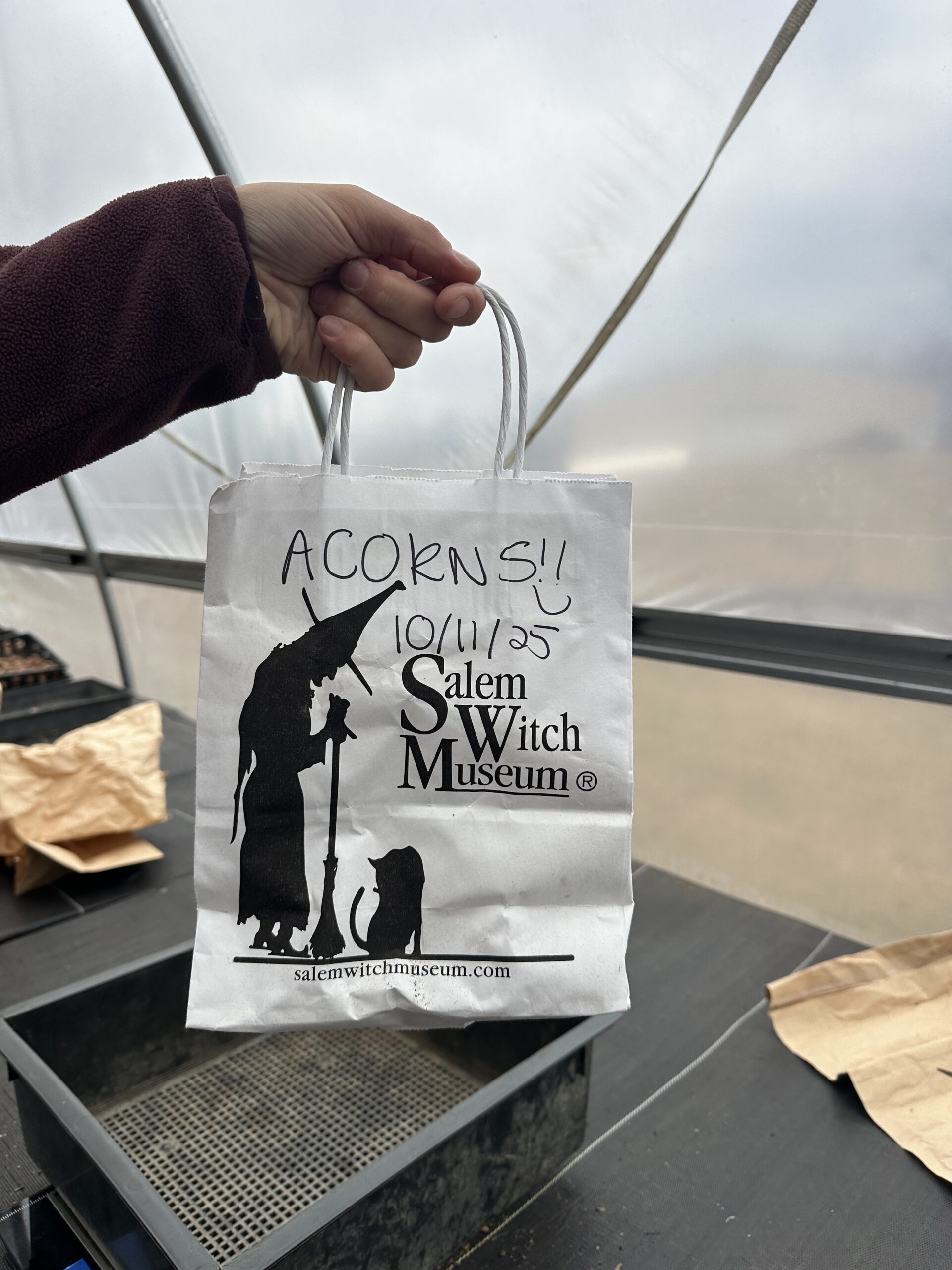
Once categorized and weighed, the seeds begin their journey toward planting. Some will be carefully stored for future seasons, while others may take root in a riparian buffer as early as next fall. Regardless of the timeline, each seed represents a future tree and a community committed to restoring the Rappahannock.
Thanks to the passion and generosity of our volunteers, this program continues to grow stronger each year. We can’t wait to welcome everyone back in 2026 to keep “sowing” the next generation of river guardians.
Interested in supporting seed collection programs like this? Learn more about our restoration efforts and how you can help.